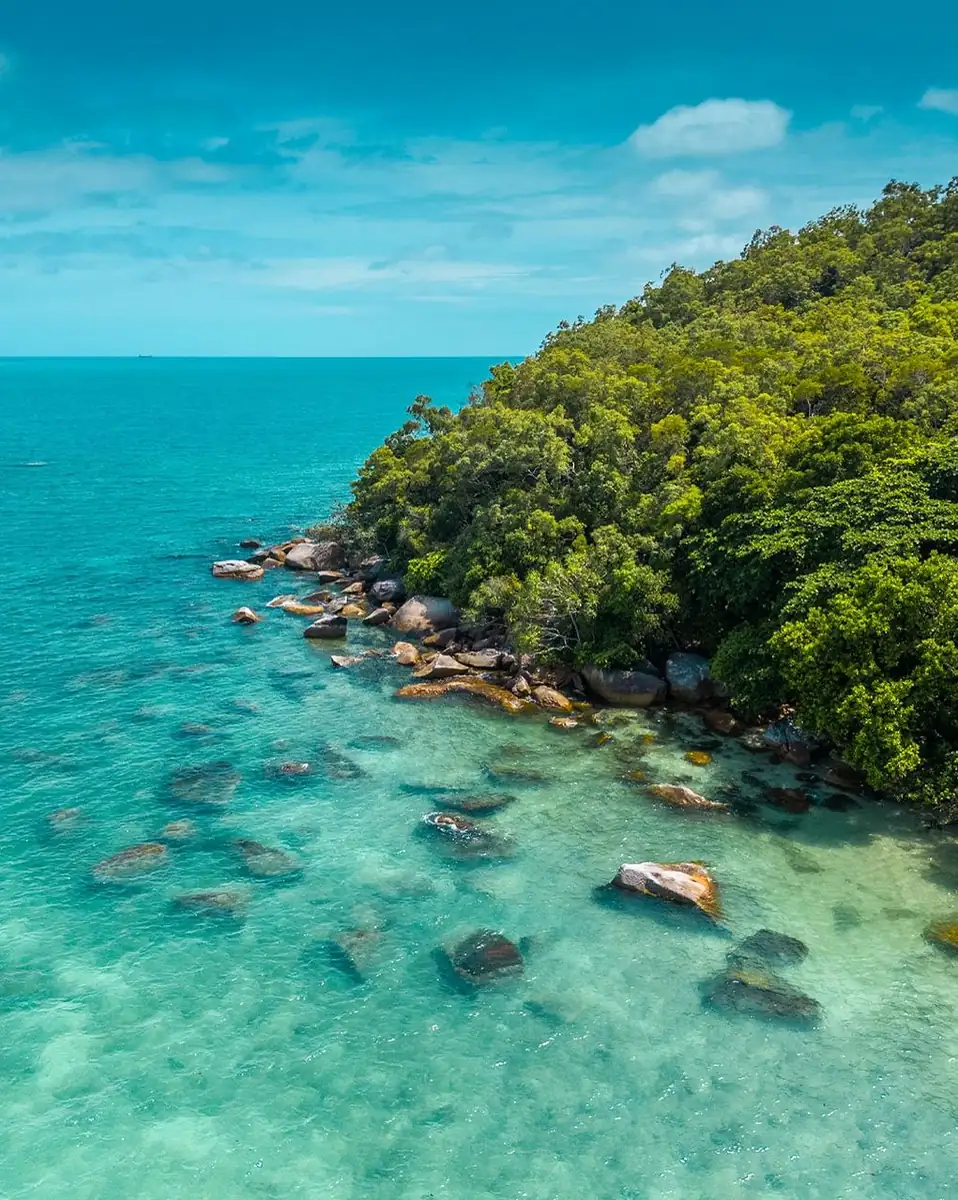
Slow Travel in the Tropics: A 10 Day Guide to Reef and Rainforest Retreats – Finally giving Far North Queensland the Time Of Day it so rightly deserves. Not squishing the Great Barrier Reef and the Daintree Rainforest into some frantic long weekend, but instead giving them the space they need. If you want that vibrant coral, a drizzle of mist in the treetops and a bit of salt still lingering in your hair when you take off on the plane, then ten days is your golden ticket.
I’m Paul, Ive been guiding groups across deserts, coastlines and rainforests for all these years, and let me tell you – the Tropics are unforgiving to anyone who tries to rush them. You’ll find yourself slowed down by the humidity. The Great Barrier Reef definitely doesn’t run to timetables – and the Rainforest is just as finicky, revealing its secrets in layers. When travellers speed through, they might leave tired – but when they get into the swing of things, they return totally changed.
Contents
- 1 Start In Cairns And Let The Coral Sea Slow You Down
- 2 Take Two Reef Days, Not One
- 3 Drive North To Port Douglas For A Quieter Coastal Base
- 4 Cross The Daintree River And Step Into Deep Time
- 5 Let Cape Tribulation Be Quiet And Unhurried
- 6 Head Inland To The Atherton Tablelands
- 7 A Practical 10-Day Flow That Actually Works
- 8 Conditions, Safety and Expectations
- 9 Final Thoughts From Experience
- 10 FAQ
Start In Cairns And Let The Coral Sea Slow You Down
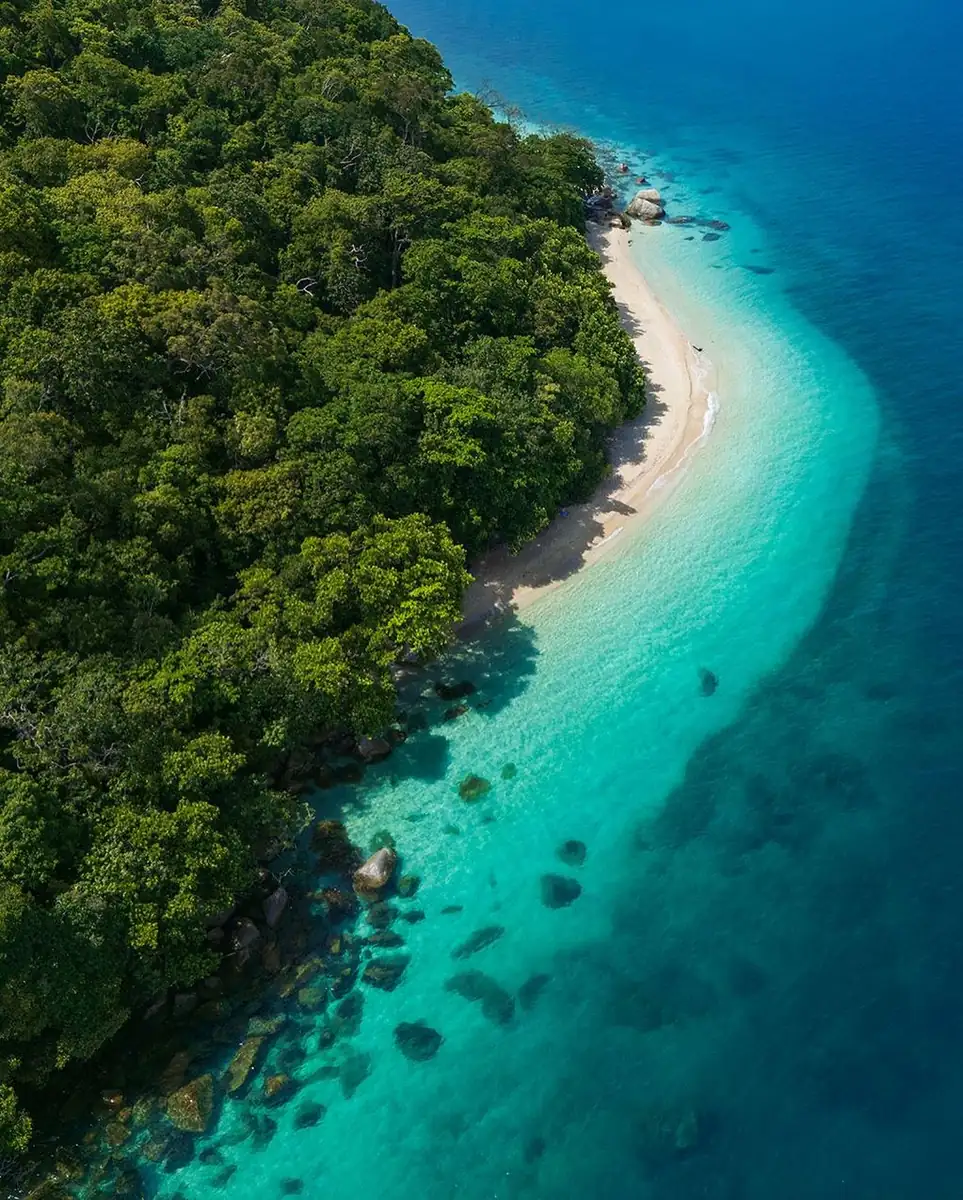
Cairns is the gateway to the reef – & it sits right on the edge of the lovely Coral Sea, all humid & easy going & bustling with activity as boats head out to sea at dawn. So, rather than grabbing a boat right off the bat, take some time to acclimatise first.
Take a stroll along the Esplanade. Swim in the lagoon. Pop down to the Night Markets – all that stuff. Your body needs a little time to get used to the Tropics before you’re off bobbing around in the ocean.
When you’re feeling ready, go book an all-day trip on the outer reef with a reputable outfit – like Great Barrier Reef Tours, for example – because they check out the operators they work with & make a big deal about safety – and that’s the way it should be.
Try to get on an outer reef trip rather than one of those fixed reef pontoons – if you have the chance. The coral generally seems to be much healthier the farther out you go. And this is one reef system that truly stretches for miles & miles along the coast of Queensland and has over 1500 different species of fish. You won’t “see it all” in one day – and that’s kind of the point.
If you’re certified, scuba diving is a whole different story again. Getting below the surface really puts the scale of it all into perspective – and during the humpback whale migration, you can even hear the whales singing while you’re down there.
And yes – boats do move around. If you’re not too good with your feet on the boat, get some medication in you early – some places even offer “Moon Sick Care Bags” – but just getting on top of it before you set off is the best move.
Take Two Reef Days, Not One
I see this mistake constantly. Travellers book one reef day, then try to squeeze rainforest, waterfalls and markets into the rest. The reef deserves time.
On your second marine day, consider a trip to Fitzroy Island for a shorter crossing and calmer snorkelling conditions. Or return offshore to a different outer reef location. Coral structure and marine life vary noticeably between sites.
If your visit aligns with coral spawning season — usually around November — conditions can look different. Spawning events are natural and important, but water clarity shifts. Ask operators what current conditions look like before boarding.
Slow travel means floating longer, observing more, and letting your breathing settle. It’s not about how many species you tick off.
Drive North To Port Douglas For A Quieter Coastal Base
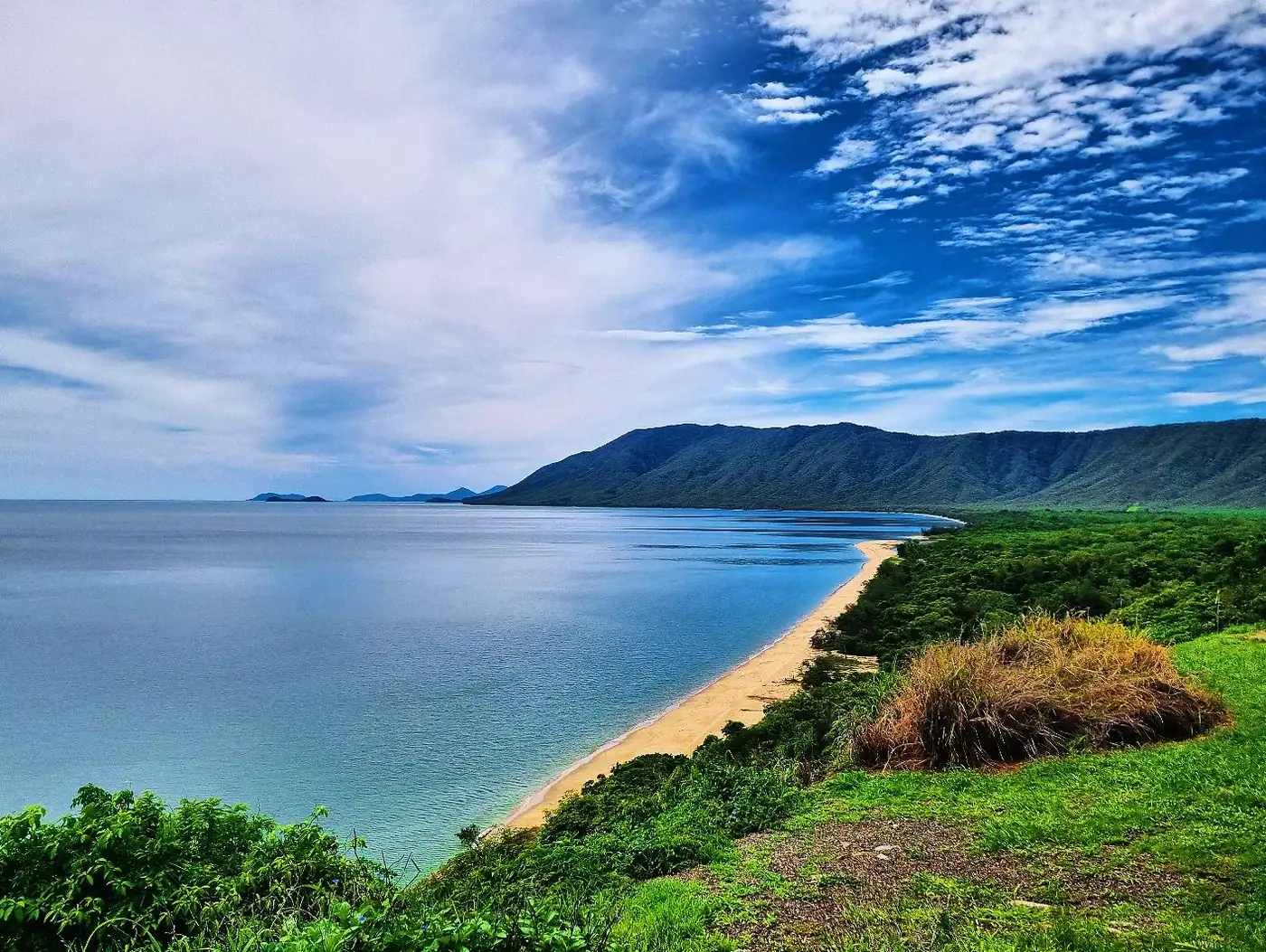
An hour north via the Captain Cook Highway sits Port Douglas. The drive alone is worth the move — ocean on one side, rainforest rising on the other.
Port Douglas feels calmer than Cairns. Four Mile Beach stretches wide and open. Swim only in patrolled areas during stinger season, and stay croc-wise around estuaries.
This is also a good place to slow down your mornings. Coffee, a beach walk, maybe a visit to nearby Mossman Gorge.
At Mossman Gorge, join a guided walk led by local Kuku Yalanji custodians. You’ll learn about bush foods such as lemon myrtle, finger lime and Davidson plum, and hear firsthand about sustainable land use practices that have protected this environment for millennia. Cultural context transforms a simple rainforest walk into something meaningful.
Cross The Daintree River And Step Into Deep Time
You reach the rainforest proper by ferry over the Daintree River. The crossing takes minutes, but psychologically it feels like stepping into another era.
The Daintree is estimated to be around 180 million years old. Scientists link its plant lineages back to Gondwana. It’s not just another patch of green on a map.
Stop at the Marrdja Botanical Boardwalk and take your time. Listen. You’ll likely see the electric-blue Ulysses butterfly flitting through filtered light. You may hear a cassowary crashing somewhere unseen. You will feel the humidity settle on your skin.
Book a small Wildlife Cruise on the river to safely spot estuarine crocodiles. Guides track individuals and explain patterns of territory. Stay seated. Respect distance. These are apex predators, not photo props.
Accommodation north of the river tends toward eco-lodges and small properties. Places like Licuala Lodge focus on low-impact stays rather than oversized resorts. That suits this landscape.
Let Cape Tribulation Be Quiet And Unhurried
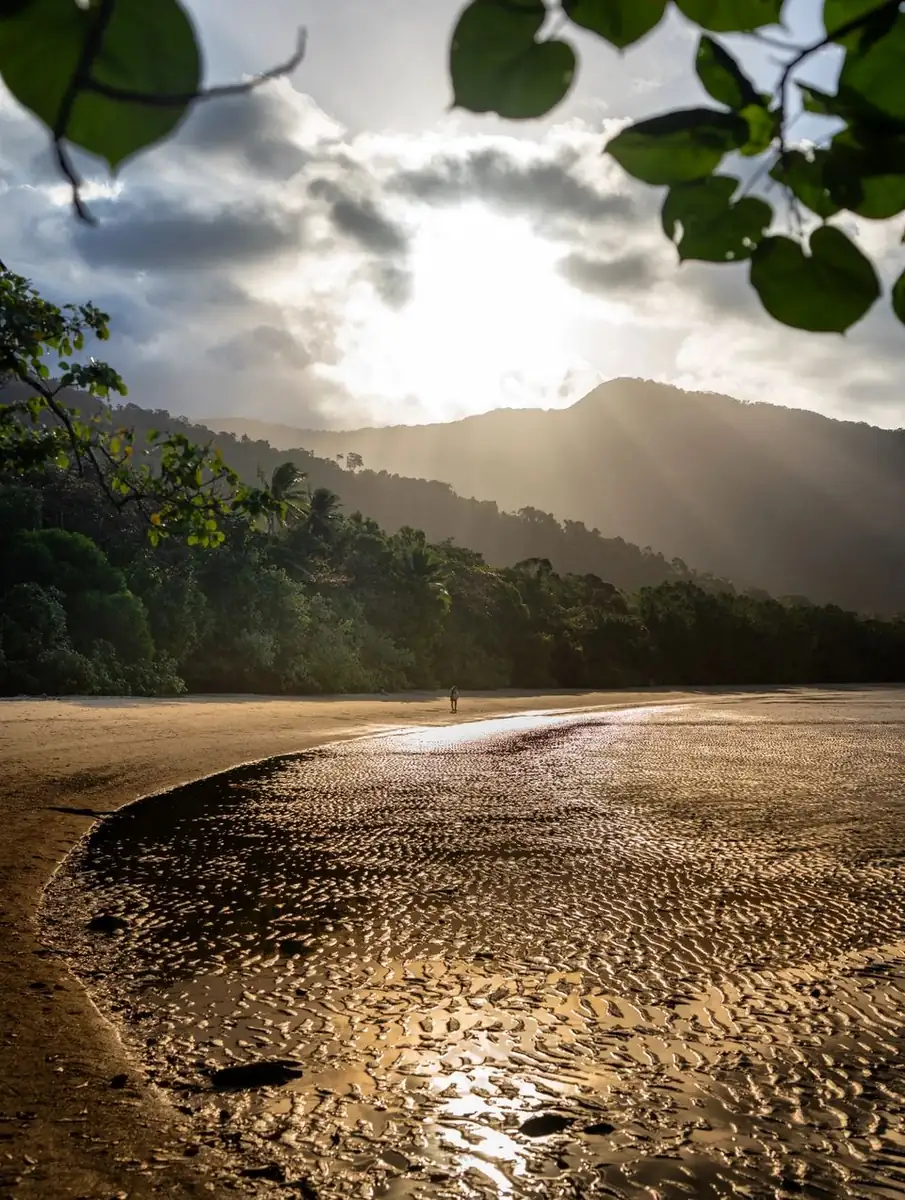
At Cape Tribulation, where the rainforest crashes into the Coral Sea, you’ll find a meeting of the worlds that’s as rare as it is beautiful. Start your day with a sunrise stroll along the beach and keep an eye out for crocodile warning signs at the creek mouths – it pays to be on the lookout for those sneaky creatures. And whatever you do, stick to swimming where the locals say it’s okay – trust us on that one.
This isn’t Bondi Beach, folks. This is a wilder, less polished stretch of coastline shaped by seasons and weather rather than by humanity. I remember leading a group here during the wet season and watching the storms roll in out of nowhere. Roads would flood for a little while, the humidity would slam down like a wet blanket – and those who were flexible enough to roll with it ended up loving every minute of it. The ones who fought it, on the other hand… well, let’s just say they struggled big time.
The key to slow travel, in my book, is being flexible.
Head Inland To The Atherton Tablelands
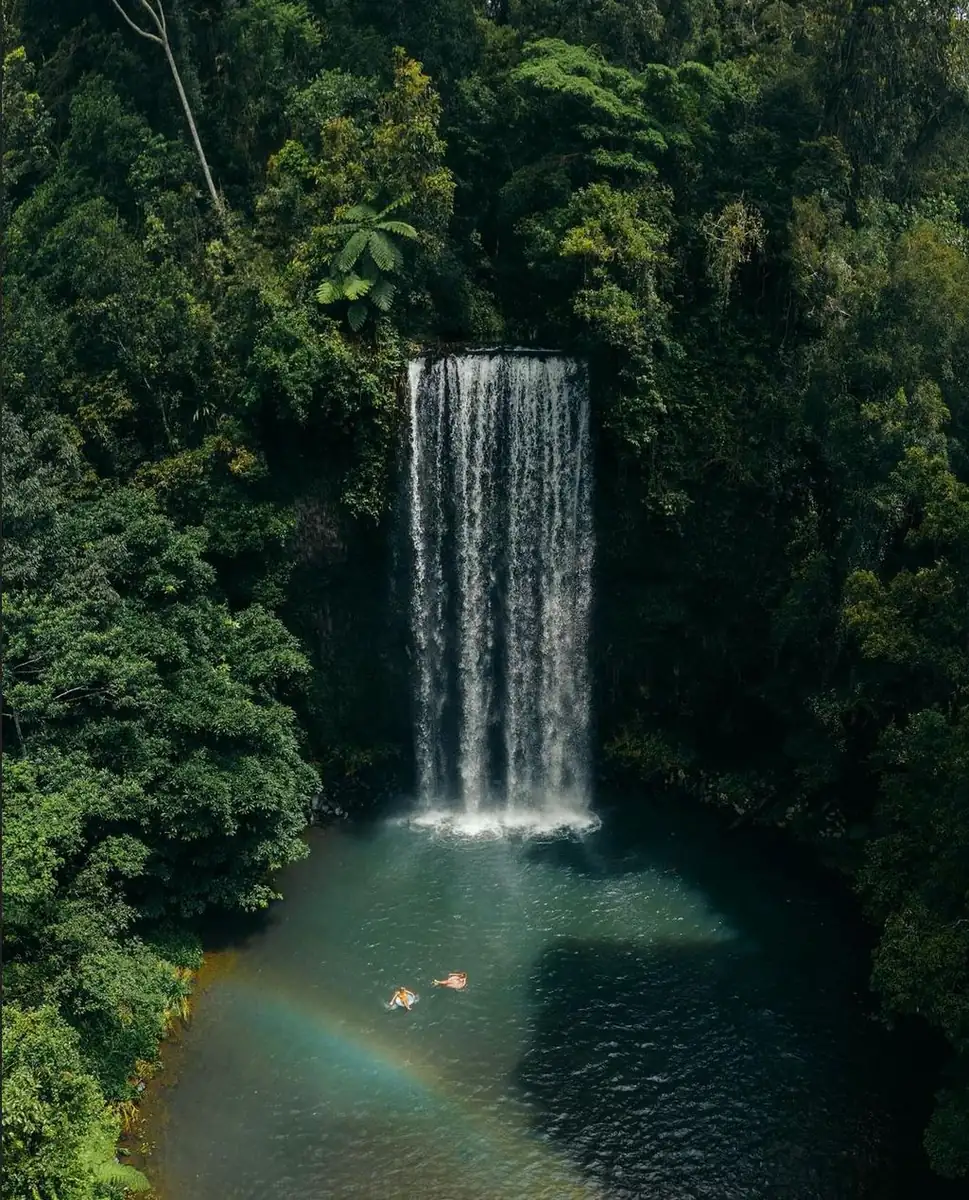
After a few days of basking in the sun and sweating out the salt, get behind the wheel and head inland to the Atherton Tablelands. Before you know it, you’ll be cruising through rolling farmland at a much more pleasant temperature.
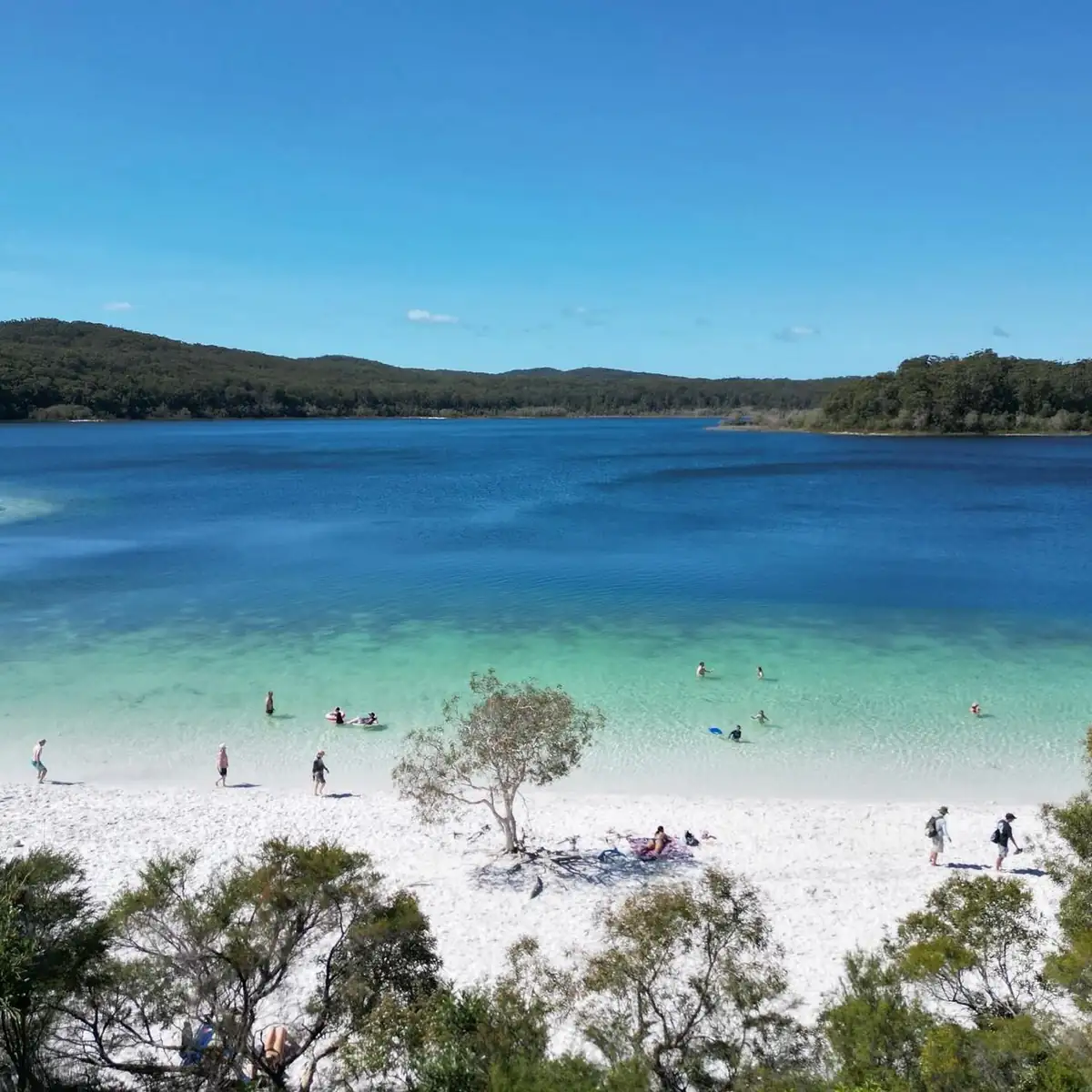
Take a dip in Lake Eacham, check out Millaa Millaa Falls if the rain’s been coming in properly – and if you’re feeling adventurous, seek out the odd bits of Mabi rainforest that can be found tucked away in the landscape. This ecosystem’s only found around here, so be sure to give it some respect.
The work done between James Cook Uni and local researchers has been a real game-changer in understanding the area’s biodiversity. That’s given conservation efforts a real boost, too – and it’s not just the rainforest and reef that are benefiting.
On your way back to Cairns, swing by Kuranda Village early in the day before the crowds get going. Grab a scoop of tropical gelato from Icecream Co. and don’t be afraid to get out of dodge – there’ll be plenty of time to linger when the place is less busy.
A Practical 10-Day Flow That Actually Works
| 📅 Day | 📍 Base | ✨ Focus |
|---|---|---|
| 1 | Cairns | Arrival & acclimatisation 🛬 |
| 2 | Cairns | Outer reef snorkelling or scuba diving 🚤 |
| 3 | Cairns | Fitzroy Island or second reef visit 🏝️ |
| 4 | Port Douglas | Coastal drive & beach time 🚗 |
| 5 | Mossman | Gorge walk with a Kuku Yalanji guide 🌿 |
| 6 | Daintree | Ferry crossing & rainforest boardwalk 🚢 |
| 7 | Cape Trib | Beach & Wildlife Cruise 🐊 |
| 8 | Tablelands | Lakes & waterfalls 🌊 |
| 9 | Tablelands | Farm stops & rainforest pockets 🍏 |
| 10 | Cairns | Return & departure buffer 🛫 |
This pacing prevents burnout. It builds logically from coast to canopy to highland.
Conditions, Safety and Expectations
The wet season (November to April) brings on the humidity, the storms and the dreaded marine stingers. The dry season (May to October), on the other hand, is when you can expect clearer water and some really pleasant cooler evenings inland – although be warned, prices tend to peak during this time.
Make sure you always check the Visa requirements yourself with the official government channels before booking your trip, and don’t forget to build in some extra time before and after your flights, as you never know what the tropical weather might do to your plans.
When it comes to comparing places to visit, I’d say remember this trip is worth doing on its own. Don’t try, and jam it in with say exploring Ningaloo Reef in WA – that’s an entirely different experience. The Whitsunday Islands are famous for sailing, the Blue Mountains, Sydney Opera House and Bondi Beach are a whole different itinerary altogether. It’s going to get too confusing if you try to cram them all in.
You’ll also want to steer clear of trying to fit in iconic rail journeys like The Ghan or Indian Pacific; these are great experiences in their own right, but they just don’t fit into this 10-day tropical trip.
Final Thoughts From Experience
You don’t need to rush off from the reef to the rainforest in three frantic days, and you don’t need to try and shoehorn the Gold Coast, Kangaroo Island or Kakadu National Park into the same fortnight either.
Ten days, two reef trips, two nights spent in the rainforest north of the river, a couple of inland swims, a bit of culture and some local produce – that’s all you need.
I find it interesting that many of our travellers who loved our Remote K’gari and Whale Experience Tour actually end up loving this tropical itinerary for pretty much the same reasons: it values getting a bit deeper into the experience rather than rushing from one place to the next. The philosophy is pretty much the same, even if the landscapes are different.
Take it easy on the reef – let the pace of it slow you down and quiet your mind; let the rainforest do the same and – most importantly – give Far North Queensland the space it asks for, and it will give you so much more than you ever would have got out of a rushed holiday.
FAQ
How much time should I allow north of the Daintree River?
Two nights at least. One night just isn’t long enough and really defeats the whole point of slowing down.
Is this region safe for beginner snorkellers?
It is, provided you go with a quality outfit and actually listen to the safety briefings.
Are crocodiles something I should be worried about?
Yeah, they are. Estuarine crocodiles are a real threat in northern Queensland waterways, so make sure you follow the signs and local advice to the letter.
Does coral bleaching mean there’s nothing to see?
No way. Reef conditions can be really variable from one site to the next and from one season to the next, so you might still see plenty even if there has been some bleaching. In fact, some of the outer reefs are often still looking pretty vibrant.
Can I really do this trip without feeling knackered?
You can – if you stick to a steady pace like the one I’m suggesting and resist the urge to try and cram in too much.