You’re probably thinking, “Can you become a tattoo artist without drawing skills?” And trust me, as someone who sees brows, lips and eyeliner every day under a cosmetic tattoo machine, I hear this more often than you’d think.
The truth? It’s complicated. And no, this isn’t a gatekeeping article meant to scare you off. I’m Olha Po, a certified cosmetic tattoo artist and founder of the Cosmetic Tattoo Melbourne Studio Face Figurati. I’ve trained dozens of aspiring PMU professionals and worked with clients of all face shapes, skin tones and ages. Drawing is a part of the job, yes—but not in the way you might assume.
Contents
- 1 Is Drawing Essential for Tattooing?
- 2 The Myth of the Natural Artist
- 3 Where Drawing Still Matters (Even Just a Bit)
- 4 The Rise of Tech-Savvy Tattooing
- 5 Why Clients Value Precision Over Artistry
- 6 Growth Mindset
- 7 What We Look For
- 8 Non-Artist Tattoo Career Options
- 9 Tips for Beginners Who Can’t Draw Yet
- 10 Final Word from Olha Po
- 11 FAQ
- 11.1 Do I need to take art classes before enrolling in a tattoo course?
- 11.2 How do PMU or tattoo courses assess students without drawing experience?
- 11.3 What if I’m great at drawing on paper but not on skin?
- 11.4 Are there tattoo machines that help with precision if I’m a beginner?
- 11.5 Is cosmetic tattooing or body art a good career if I’m not creative?
Is Drawing Essential for Tattooing?
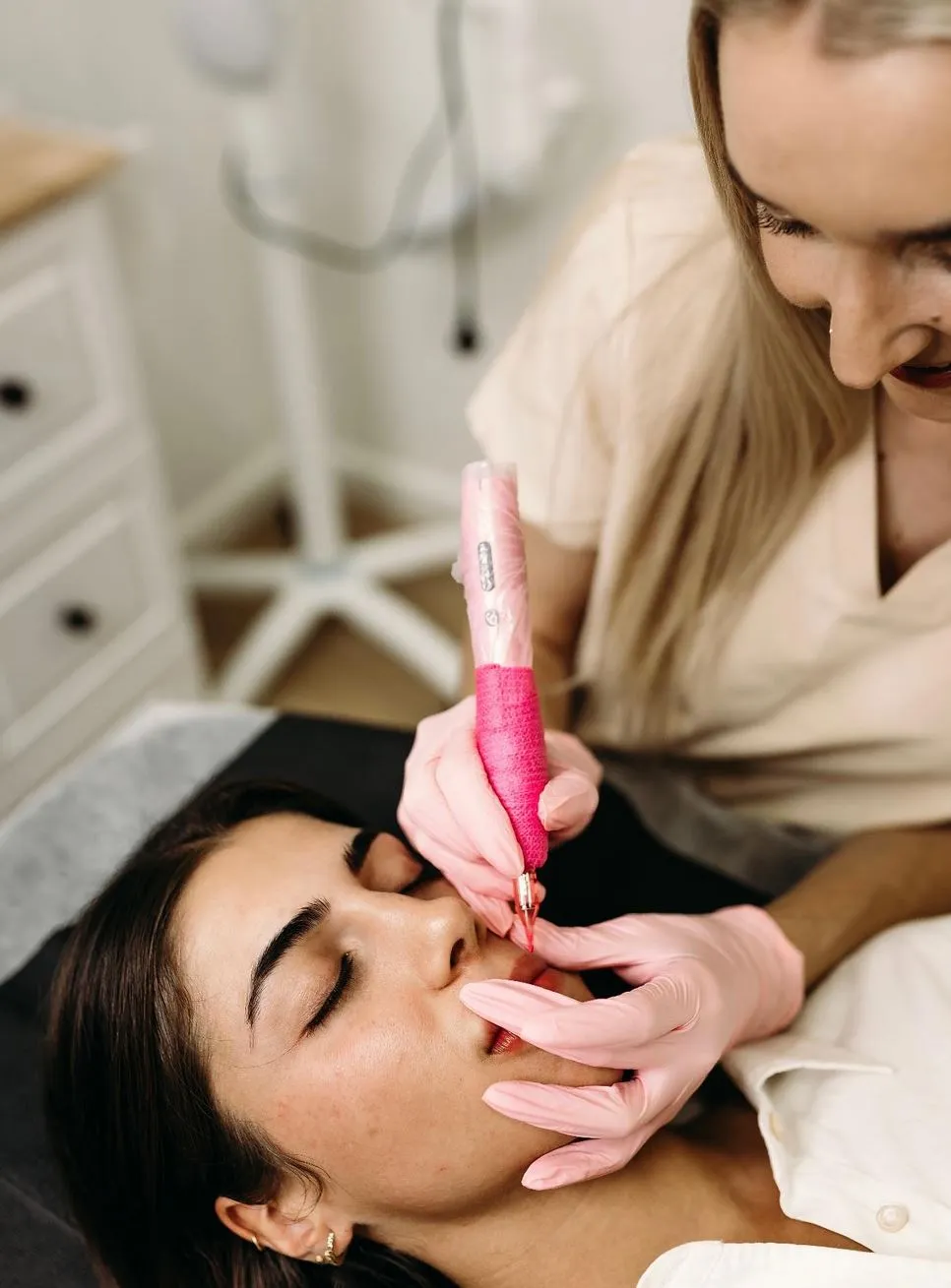
Not every tattoo artist needs to be a fine art prodigy. But you do need strong visual awareness, decent hand control and the ability to replicate symmetrical shapes. It’s less about sketching dragons from imagination and more about mapping brow arches that flatter your client’s bone structure. If you’re heading into the tattoo industry—whether in cosmetic or body art—understanding this difference is key.
| Tattoo Type | Artistic Drawing Required? | Technical Skills Needed |
|---|---|---|
| Body Tattoo Artist | Yes (concept art, shading, freestyle, art styles) | Line work, depth control, infection control, sanitation |
| Cosmetic Tattoo Artist | Minimal (mostly tattoo stencils and templates) | Facial symmetry, pigment theory, skin penetration, layering |
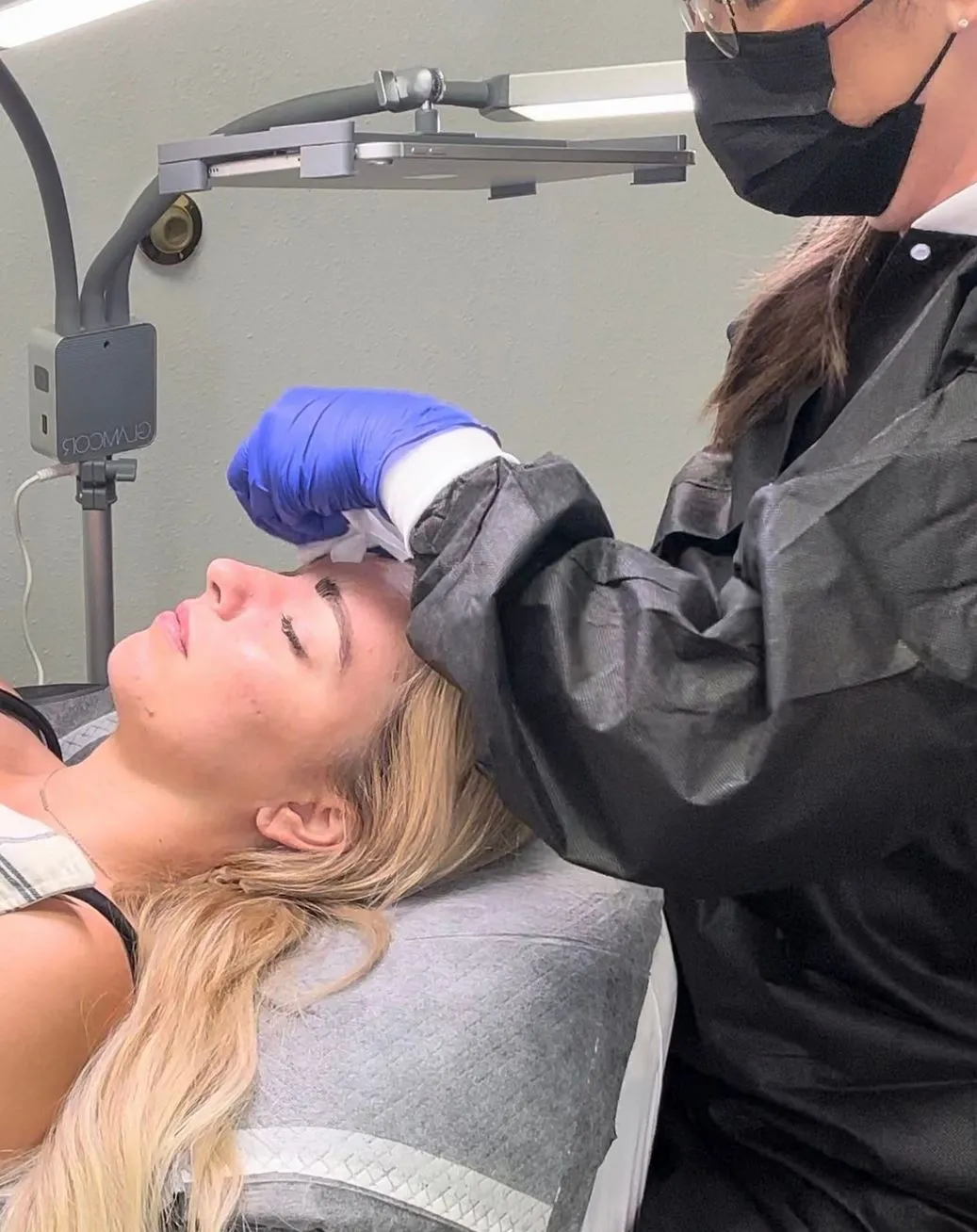
In cosmetic tattooing our “drawing” often involves using stencil paper or shaping with pencils and measuring tools. You learn to draw tattoos—brows, lips, eyeliner—specifically for each client’s face using a clear drawing technique, not gallery-style art movements.
The Myth of the Natural Artist
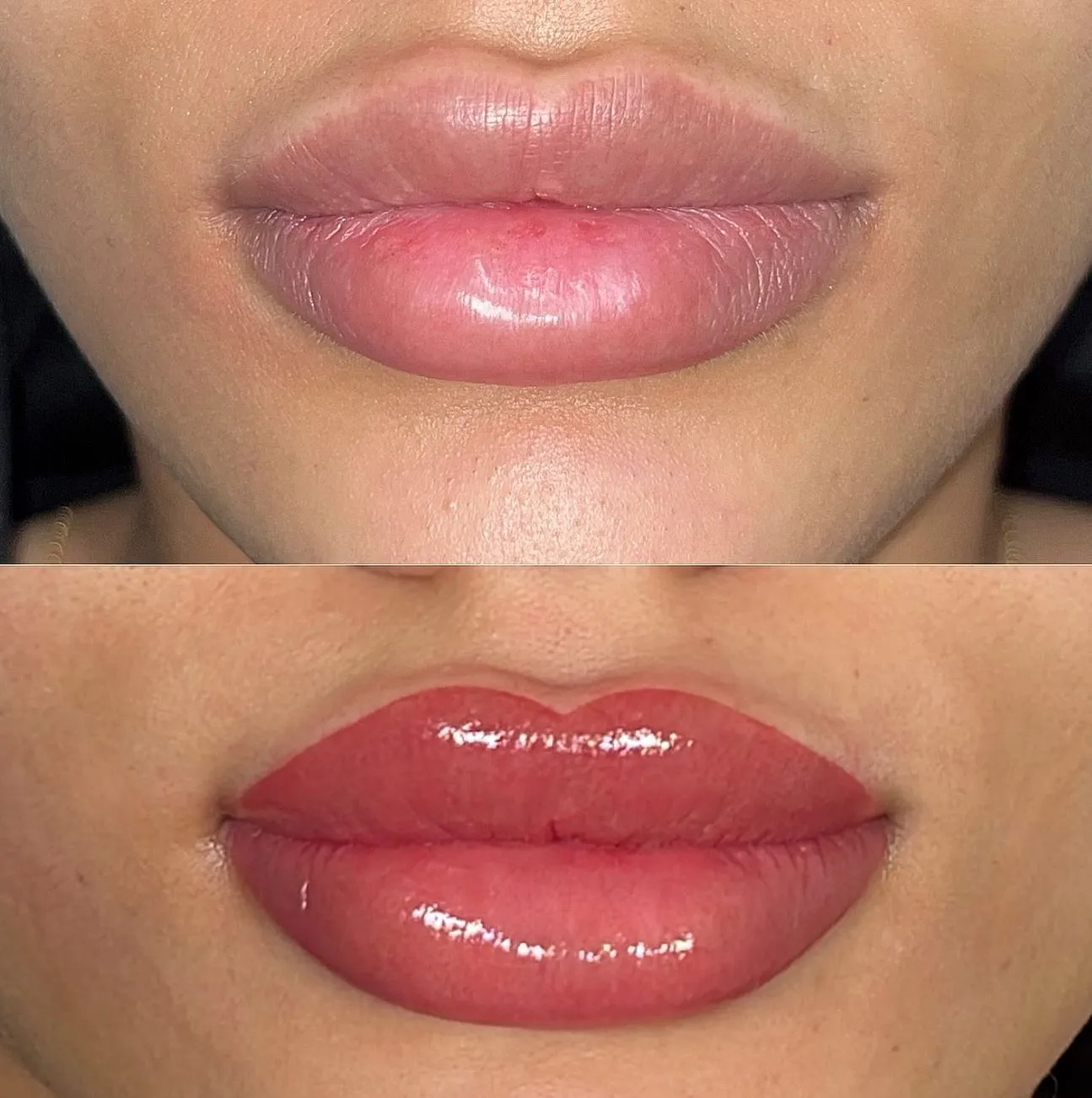
One of the biggest lies out there? That you need to be a born artist to succeed in the tattoo studio or cosmetic tattoo parlours. In reality most successful artists rely on:
- Consistent practice (like drawing tattoos or hair strokes over and over until it clicks)
- Smart training (hands-on work with mentors in a tattoo apprenticeship or studio)
- Tattoo equipment and templates (hello, callipers and mapping string!)
- Repetition and muscle memory (especially with tattoo machines)
I’ve had students come into Face Figurati who couldn’t even draw a circle confidently. Within six months? They were producing brows clients cried happy tears over. You don’t need to be a master of concept art—you just need to care enough to practice.
Where Drawing Still Matters (Even Just a Bit)
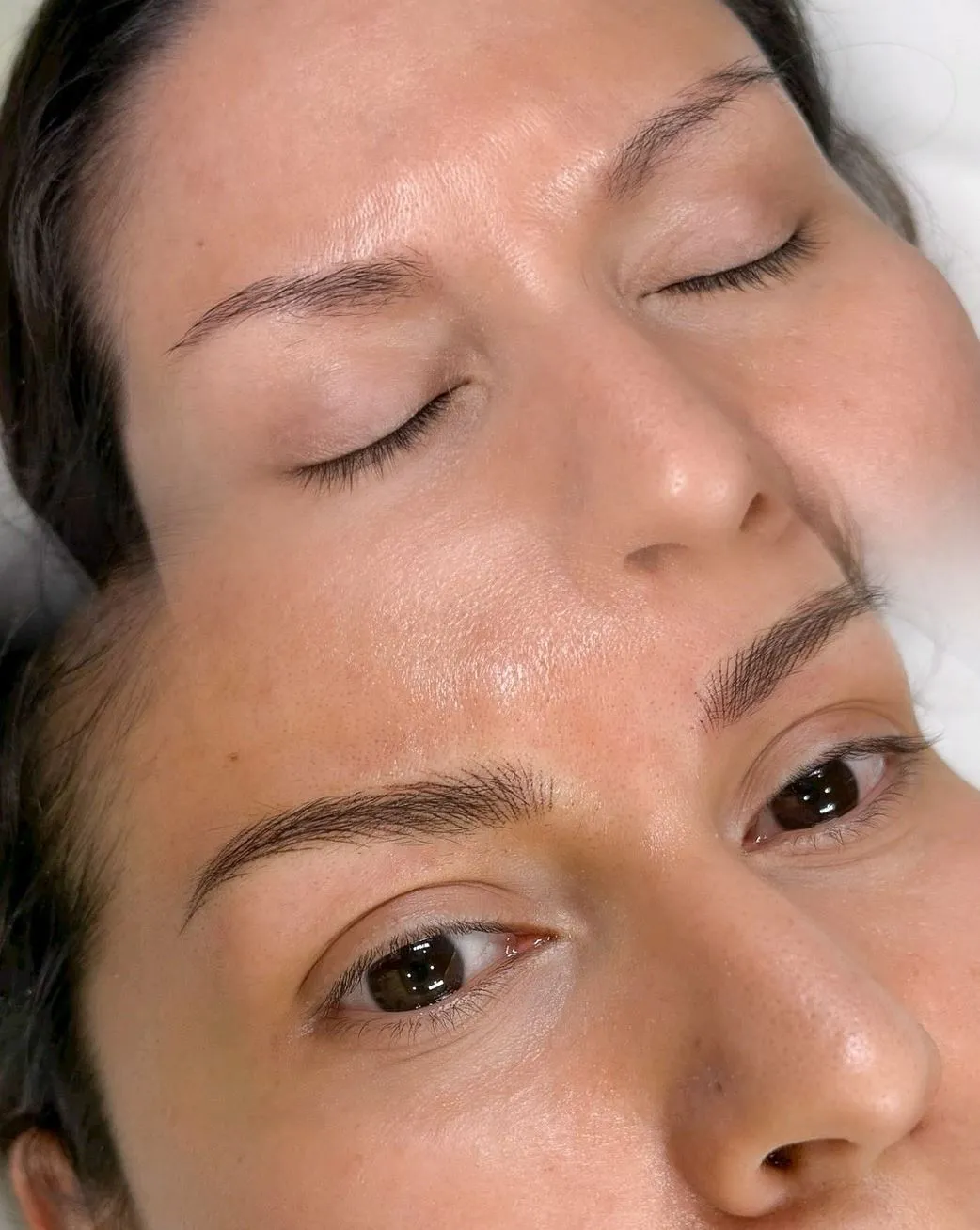
That said, there are aspects of tattooing where a solid drawing technique helps:
- Sketching custom tattoo designs or brow shapes
- Correcting asymmetry without a template
- Visualising healed pigment tone using tattoo ink
- Creating combo brows, ombre shading or freestyle lip blush blends
But here’s the thing: most of that can be taught and refined through the tattooing process. Think of it like driving—no one expects you to know how before your first lesson. What matters more is your willingness to learn and your eye for proportion and balance.
The Rise of Tech-Savvy Tattooing
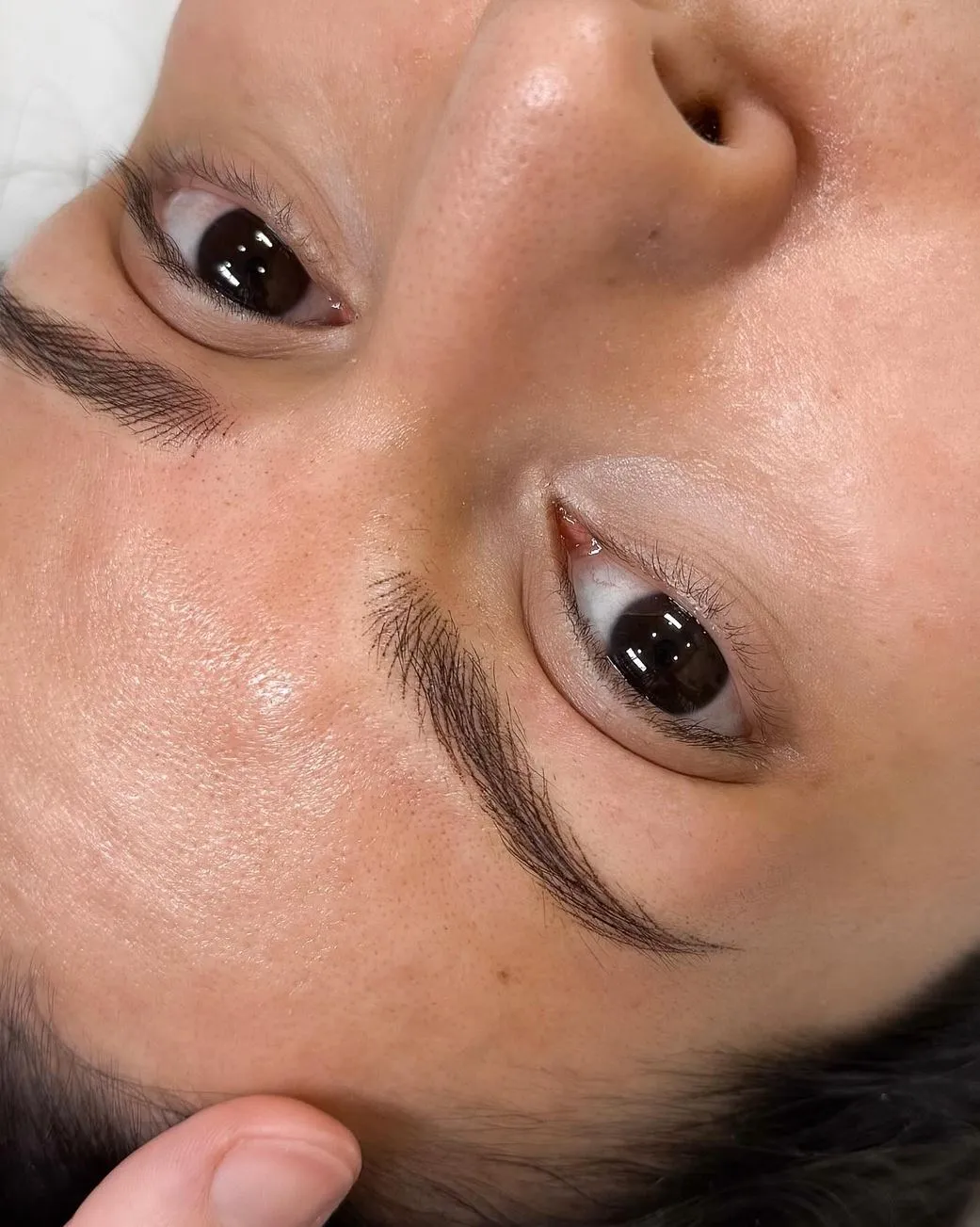
These days tattoo technology and machines are more beginner-friendly than ever. Cosmetic tattooing especially has become incredibly accessible thanks to:
- Digital mapping apps
- Wireless rotary tattoo machines with consistent pressure
- Tattoo ink guides based on the Fitzpatrick scale
- Silicone practice pads that mimic real skin
- Online learning platforms and interactive training options
At Cosmetic Tattoo Melbourne Studio Face Figurati we pair tech tools with one-on-one mentoring so you can focus on application rather than obsessing over perfect freehand art.
Why Clients Value Precision Over Artistry
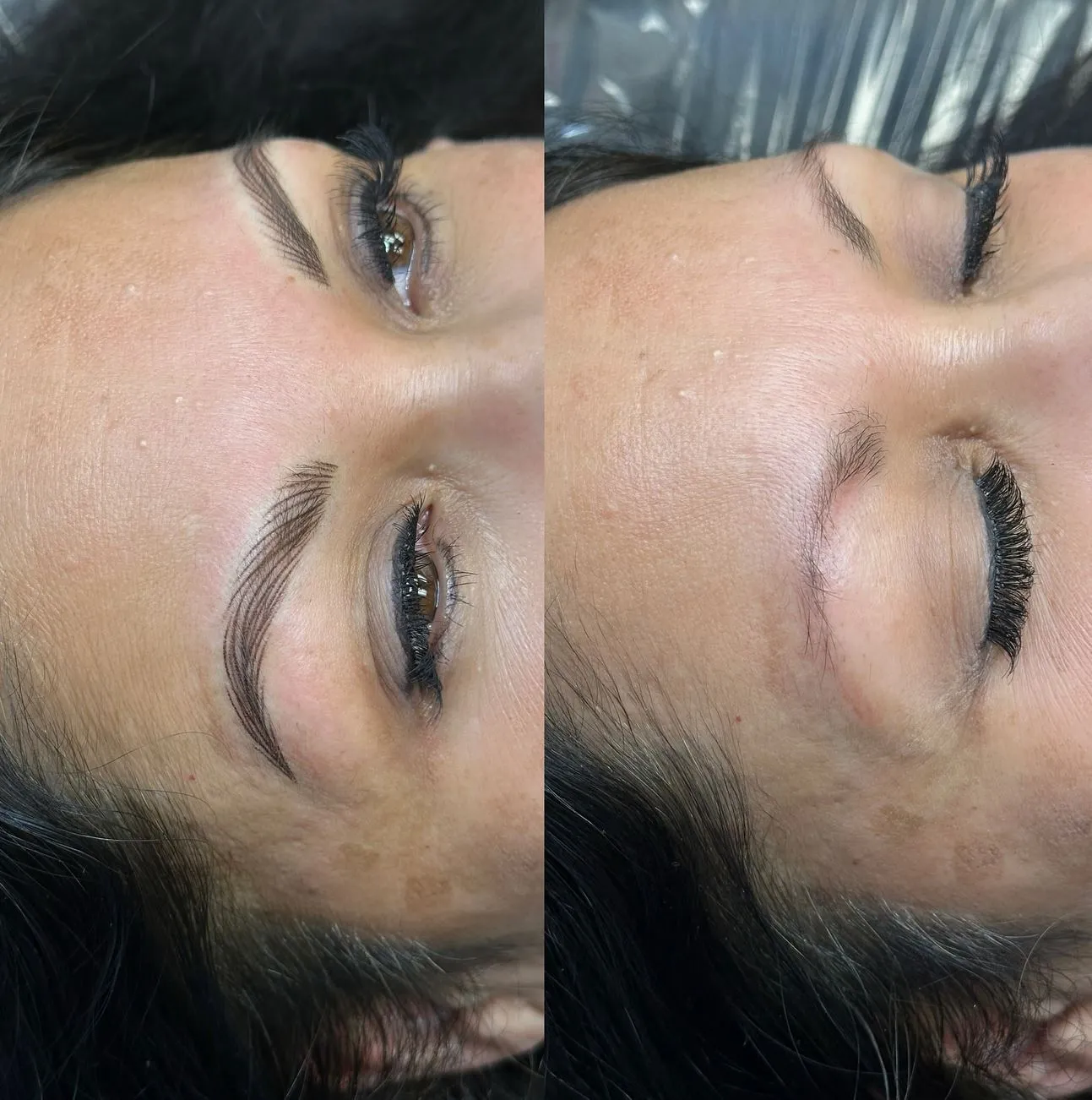
Here’s something most new artists forget: clients don’t choose you because you can draw a lion on a napkin. They choose you because:
- Your healed work looks natural and flattering
- You understand undertones and pigment fade
- You follow infection control and safety standards
- You listen to their concerns and adjust accordingly
That’s what builds trust—not sketchbooks. I’d rather hire an artist at a tattoo shop with clean, symmetrical, healed results than someone who can draw elaborate water lines but can’t measure a brow arch.
Growth Mindset
When you ask, “Can you become a tattoo artist without drawing skills?” what you’re really asking is: “Can I learn what I need, even if I’m not naturally gifted?” And the answer is yes.
In fact, 2025 trend data from Australian beauty academies shows that over 68% of new PMU students come from non-art backgrounds. Former dental assistants, baristas, teachers—you name it. They succeed because they:
- Put in the hours on practice skins and tattoo stencils
- Build a beginner tattoo portfolio to track progress
- Seek feedback instead of fearing critique
- Learn face anatomy and body art flow, not just how to draw
What We Look For
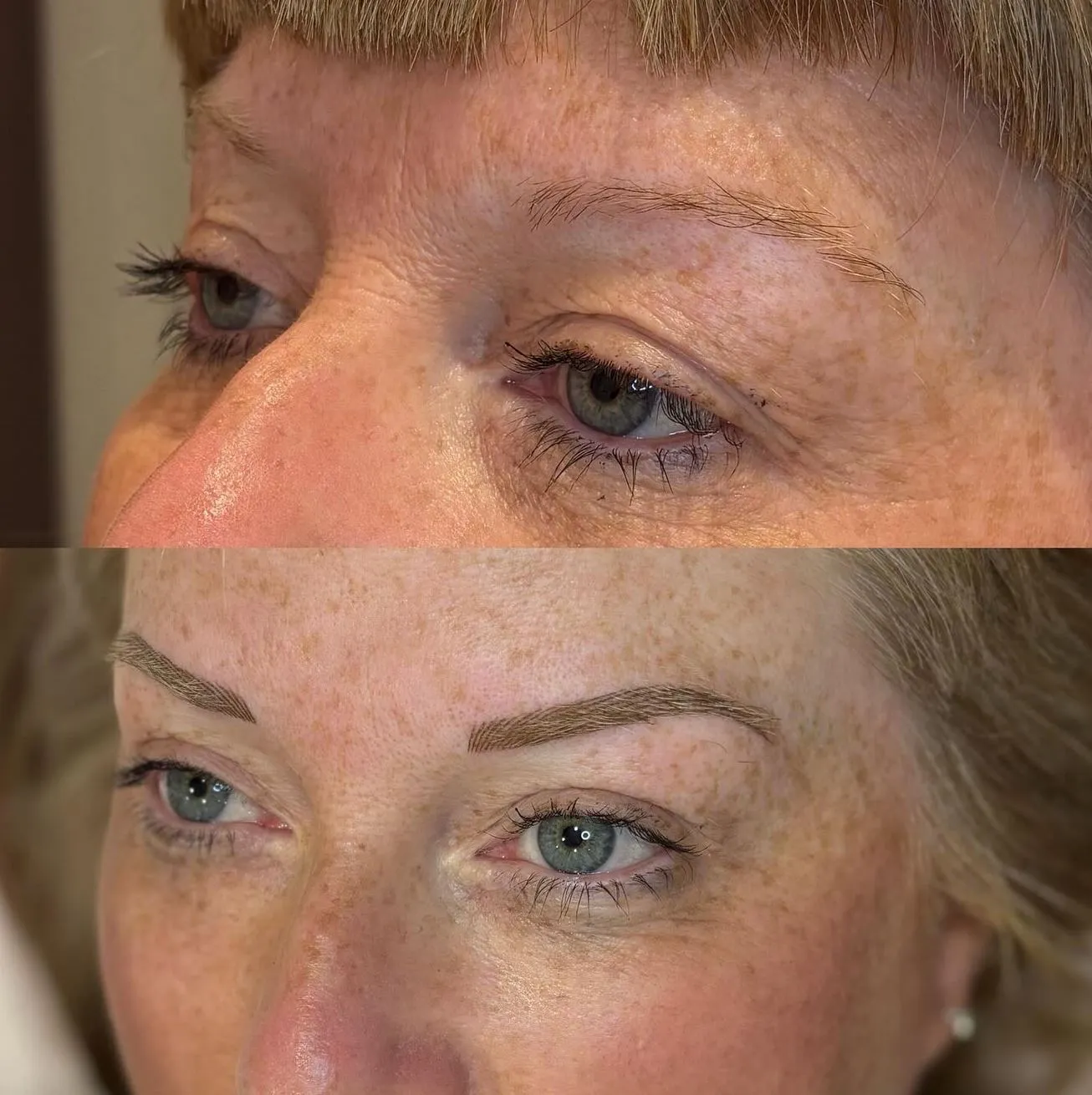
When we interview students for our Melbourne tattoo training options, we’re not checking your sketch portfolio. We look for:
- Good hand-eye coordination and tool handling
- Patience with repetition
- Strong hygiene and infection control awareness
- Visual balance and proportion judgement
- A genuine desire to make people feel good in their skin
Drawing tattoos can be taught. Passion and focus? That has to come from you.
Non-Artist Tattoo Career Options
Still unsure? Here are real paths in tattooing where drawing isn’t front-and-centre:
- PMU Assistants: Help prep clients, mix pigments, manage tattoo technology.
- Laser Removal Techs: Great for tech-minded individuals who like precision.
- Pre-draw Specialists: Focus on shape mapping and prepping brows before tattooing.
- Scalp Micropigmentation: All dots, no drawing required.
- Training Program Coordinators: Create sales strategies and manage student journeys.
These roles can be equally rewarding and serve as excellent stepping stones while you build confidence.
Tips for Beginners Who Can’t Draw Yet
If you’re just starting out in the tattoo industry, here’s what I recommend:
- Start by tracing tattoo stencils or browse over real photos—don’t freestyle at first
- Use mapping string and stencil paper to understand shape proportion
- Practice stroke patterns with gel pens before using a tattoo machine
- Watch videos that show healed tattooing techniques, not just fresh work
- Follow relevant Instagram profiles and tattoo studios for tips and real-life outcomes
Most importantly: don’t compare your day one to someone else’s year five.
Final Word from Olha Po
So… Can you become a tattoo artist without drawing skills? Yes.
What you need is dedication, good mentorship and the kind of stubborn patience that gets you through those first wobbly lines on fake skin.
At Cosmetic Tattoo Melbourne Studio Face Figurati, we help artists of all backgrounds gain the confidence to work with real clients safely and skillfully. Our cosmetic tattoo courses are designed to guide you step by step, even if you’ve never held a machine before.
Because this work isn’t about ego or talent – it’s about trust, tattooing techniques and tiny details that change how someone sees themselves.
FAQ
Do I need to take art classes before enrolling in a tattoo course?
Not necessarily. If you want to build confidence, a short course on facial proportions, art styles or sketching can help but it’s not required.
How do PMU or tattoo courses assess students without drawing experience?
Through tasks like tracing tattoo stencils, mapping accuracy, drawing technique repetition and healed result reviews in your tattoo portfolio.
What if I’m great at drawing on paper but not on skin?
That’s totally normal. Skin stretches, reacts and heals differently than paper. Tattooing techniques and practice help you adapt.
Are there tattoo machines that help with precision if I’m a beginner?
Yes! Modern tattoo machines are designed with stabilisers, adjustable depth and ergonomic grips perfect for beginners.
Is cosmetic tattooing or body art a good career if I’m not creative?
Yes – it’s more technical than you might think. If you’re detail-oriented and love helping people, there’s space for you in the tattoo industry.